Pirate ship rides remain one of the most reliable and widely accepted attractions in amusement parks, family entertainment centers, and traveling fairs. Their combination of visual impact, moderate thrill level, and broad age appeal makes them a strong commercial choice. However, purchasing a pirate ship ride requires more than selecting a model and confirming a price. The following key factors should be carefully evaluated to ensure long-term safety, profitability, and operational efficiency.
Ride Capacity and Passenger Throughput
One of the first considerations is seat capacity, which directly affects hourly throughput and revenue potential. Pirate ship pendulum rides are commonly available in capacities ranging from 16 seats to 40+ seats.
Key questions to assess include:
Expected peak-hour demand
Target audience (family-focused vs. thrill-seeking visitors)
Space available for queueing and loading
Higher-capacity models improve crowd management and ROI but may require greater structural clearance and power capacity.

Ride Height, Swing Angle, and Thrill Level
Not all pirate ship rides deliver the same experience. The maximum swing angle, ride height, and speed determine whether the attraction is suitable for families or positioned as a mid-thrill ride.
When evaluating specifications, consider:
Local safety regulations and height restrictions
Audience demographics
Balance between excitement and accessibility
For family-oriented parks, moderate swing angles often generate higher repeat ridership than extreme configurations.
Installation Requirements and Site Conditions
Classic swinging ship attractions require proper foundation engineering, clearance zones, and anchoring systems. Installation costs and timelines can vary significantly based on site conditions.
Important factors include:
Soil type and foundation depth
Indoor vs. outdoor installation
Power supply and control room placement
Crane access and transportation logistics
Early coordination with the manufacturer on civil drawings and installation guidelines can prevent costly delays.
Manufacturing Standards and Safety Compliance
Safety certification is non-negotiable. Reputable pirate ship ride manufacturers comply with international standards such as:
EN (European Norms)
ASTM (North America)
ISO quality management systems
Buyers should verify:
Structural material specifications
Welding and fatigue testing processes
Control system redundancy
Emergency braking and restraint systems
Requesting third-party inspection reports adds an additional layer of risk control.
Customization and Theming Options
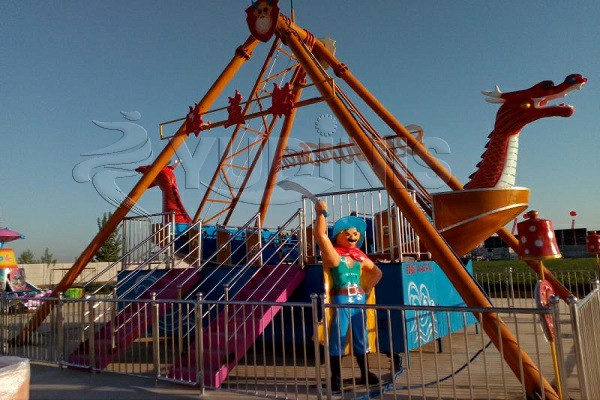
Modern pirate ship rides offer extensive customization, which can significantly enhance visual appeal and brand alignment.
Common customization options include:
Pirate, Viking, or fantasy themes
LED lighting packages
Custom painting and graphics
Branded signage and decorative elements
A well-themed pirate ship amusement park ride often performs better in marketing materials and social media exposure.
Maintenance, Spare Parts, and After-Sales Support
Long-term operational success depends on maintenance accessibility and after-sales service.
Before purchasing, confirm:
Availability of spare parts
Maintenance training and manuals
Remote technical support options
Warranty terms for mechanical and electrical components
Lower upfront pricing can sometimes result in higher lifecycle costs if support is limited.
Budget, Shipping, and Total Investment Cost
The purchase price is only one component of the total investment. A realistic budget should include:
Manufacturing cost
International shipping and customs clearance
Installation and commissioning
Local certification and inspection fees
Understanding the full cost structure allows for accurate ROI forecasting and avoids underbudgeting.
ROI Potential and Operational Performance
Pirate ship ride for amusement park are valued for their stable revenue performance and long service life. Their predictable operating cycle, moderate energy consumption, and wide appeal contribute to favorable return on investment.
Key ROI drivers include:
Ride capacity and ticket pricing
Park attendance patterns
Maintenance efficiency
Visual prominence within the park layout
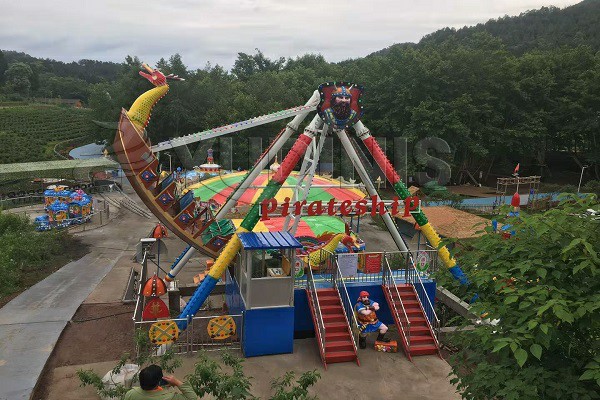
When placed strategically, a pirate ship ride often becomes a core attraction rather than a secondary filler ride.
Conclusion: Making a Strategic Purchase Decision
Purchasing a pirate ship ride is both a technical and commercial decision. By carefully evaluating capacity, thrill level, safety compliance, installation requirements, and long-term support, operators can secure an attraction that delivers consistent performance for years.
For amusement parks seeking a proven, family-friendly ride with strong visual impact and reliable returns, the pirate ship ride remains a sound investment—provided the right factors are considered before purchase. Click our official website for more professional information: https://www.outdoorparkrides.com/pirate-ship-amusement-park-ride/
Leave a Reply